
1. Background
The Work System Design and Ergonomics Laboratory is an academic and research laboratory within the field of Industrial Engineering that focuses on the design, evaluation, and improvement of human-centered work systems. The laboratory serves as a platform for learning, experimentation, and research in the areas of work system design, ergonomics, human factors engineering, occupational safety and health, productivity improvement, and sustainable workplace development.
In line with the growing demand for safe, efficient, adaptive, and inclusive work environments, the laboratory supports the development of scientific knowledge and practical solutions that integrate human capabilities, technological advancement, organizational needs, and environmental considerations. The laboratory aims to enhance the quality of work systems through evidence-based approaches, ergonomic assessment, physiological and cognitive workload analysis, workplace design, and performance evaluation.
The laboratory also plays a strategic role in supporting undergraduate and master’s students in conducting academic activities, laboratory practices, final projects, theses, and applied research. Through interdisciplinary collaboration, the Work System Design and Ergonomics Laboratory is committed to contributing to industrial innovation, workplace safety, productivity enhancement, and the development of globally competitive human resources.
2. Laboratory Members
The Work System Design and Ergonomics Laboratory is supported by academic staff with expertise in industrial engineering, ergonomics, work system design, human factors, occupational safety, productivity analysis, and related research areas.
Head of Laboratory
Dr. Eng. Ir. Ilham Bakri, S.T., M.Sc., IPM., ASEAN.Eng
Members
- Ir. Nadzirah Ikasari, S.T., M.T., IPM.
- Ir. Retnari Dian Mudiastuti, S.T., M.Si.
- Ir. Megasari Kurnia, S.T., M.T.
Together, the laboratory members are responsible for academic supervision, research development, laboratory management, student mentoring, community engagement, and collaboration with industry and external institutions.
3. Supporting Facilities
The Work System Design and Ergonomics Laboratory is equipped with various instruments and supporting facilities to enhance teaching, experimentation, and research activities. These facilities are used to support ergonomic measurement, physiological assessment, work environment evaluation, productivity analysis, and human performance studies.
The available supporting facilities include:
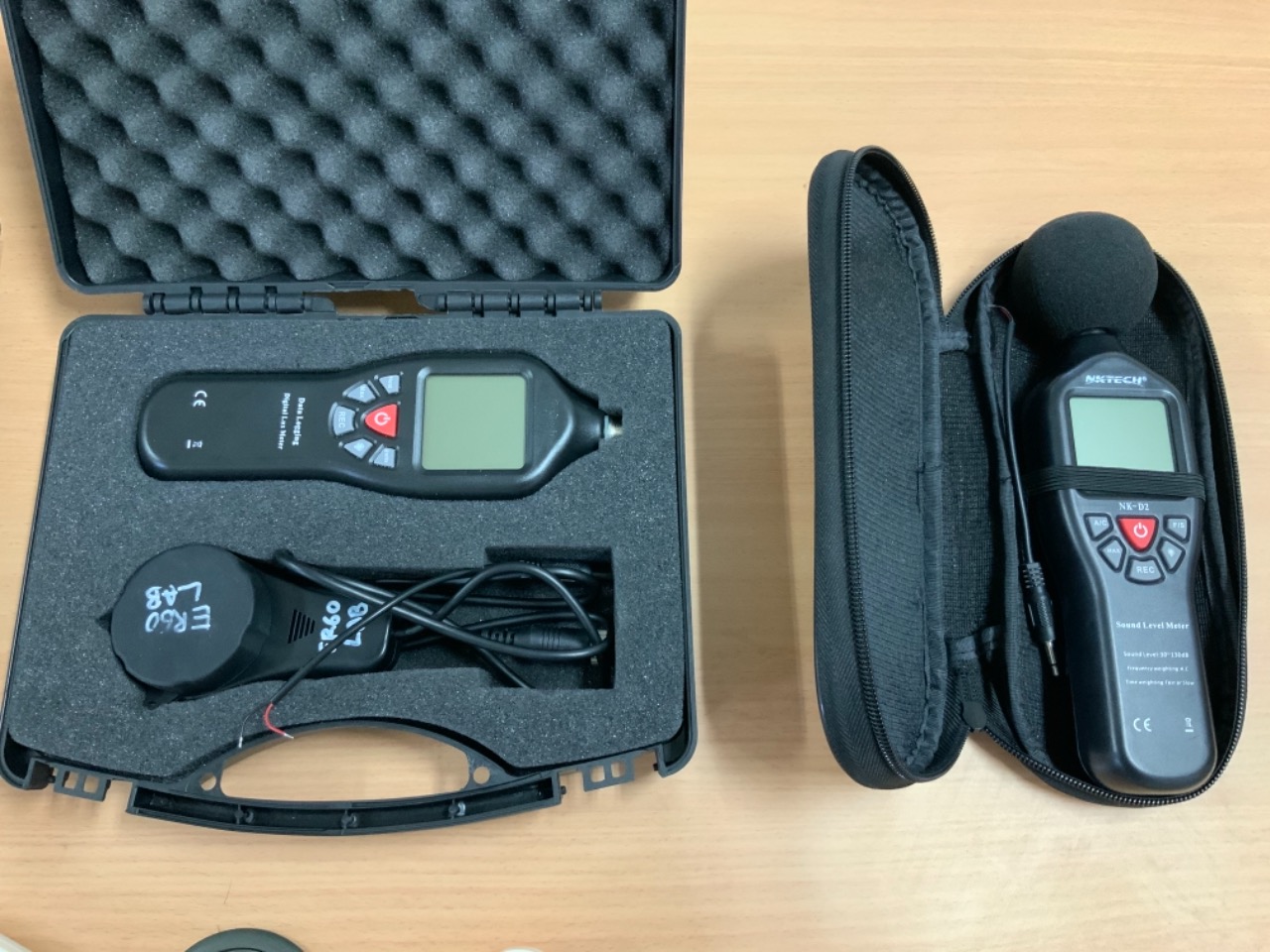
- Lux Meter and Sound Level Meter
Instruments used to measure workplace illumination levels and noise intensity as part of work environment evaluation and occupational safety assessment.
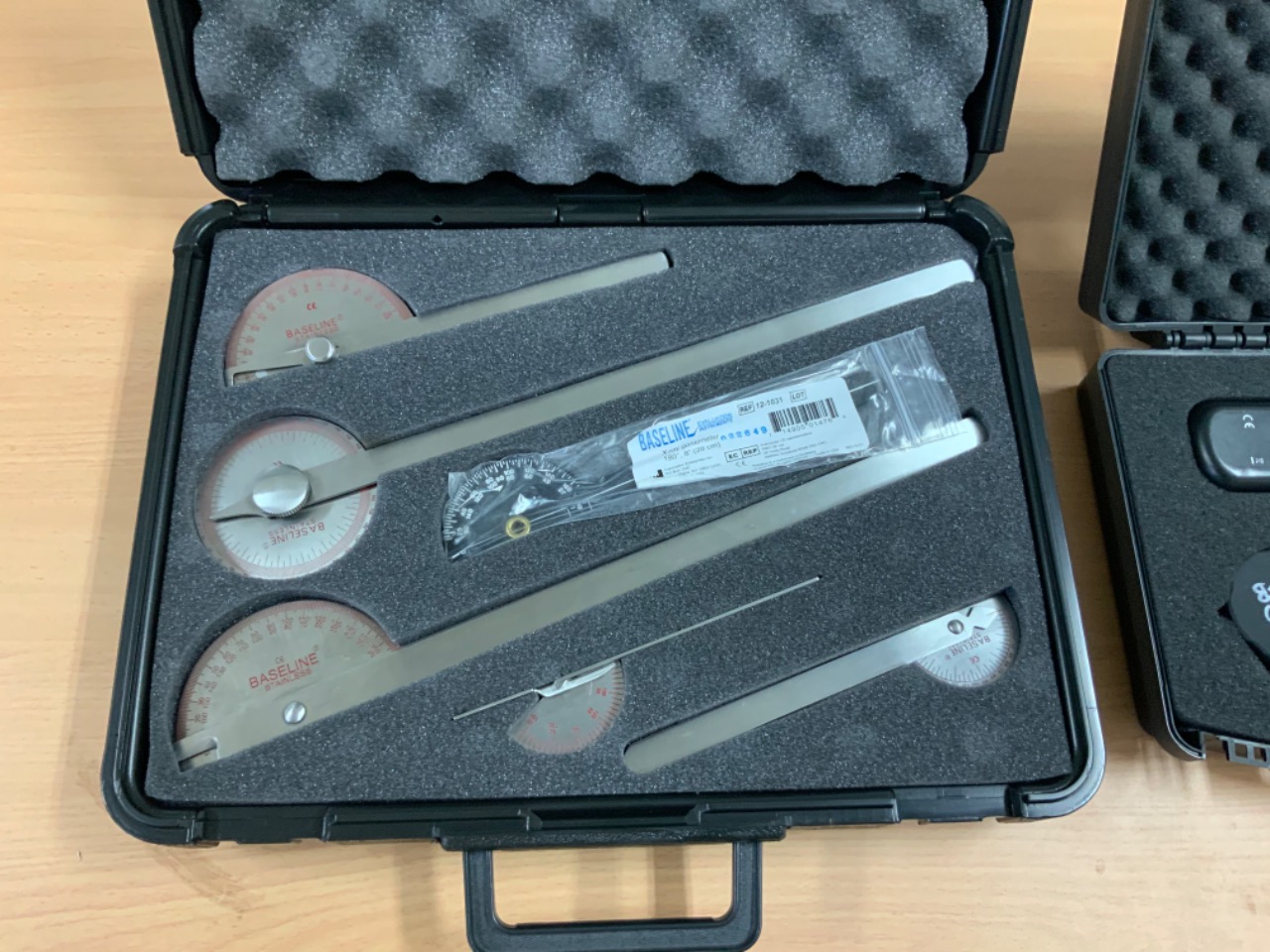
- Goniometer
A measurement tool used to assess joint angles, body posture, and range of motion in ergonomic and biomechanical studies.
- Treadmill
A supporting facility used for physical workload analysis, human performance evaluation, and physiological response studies.
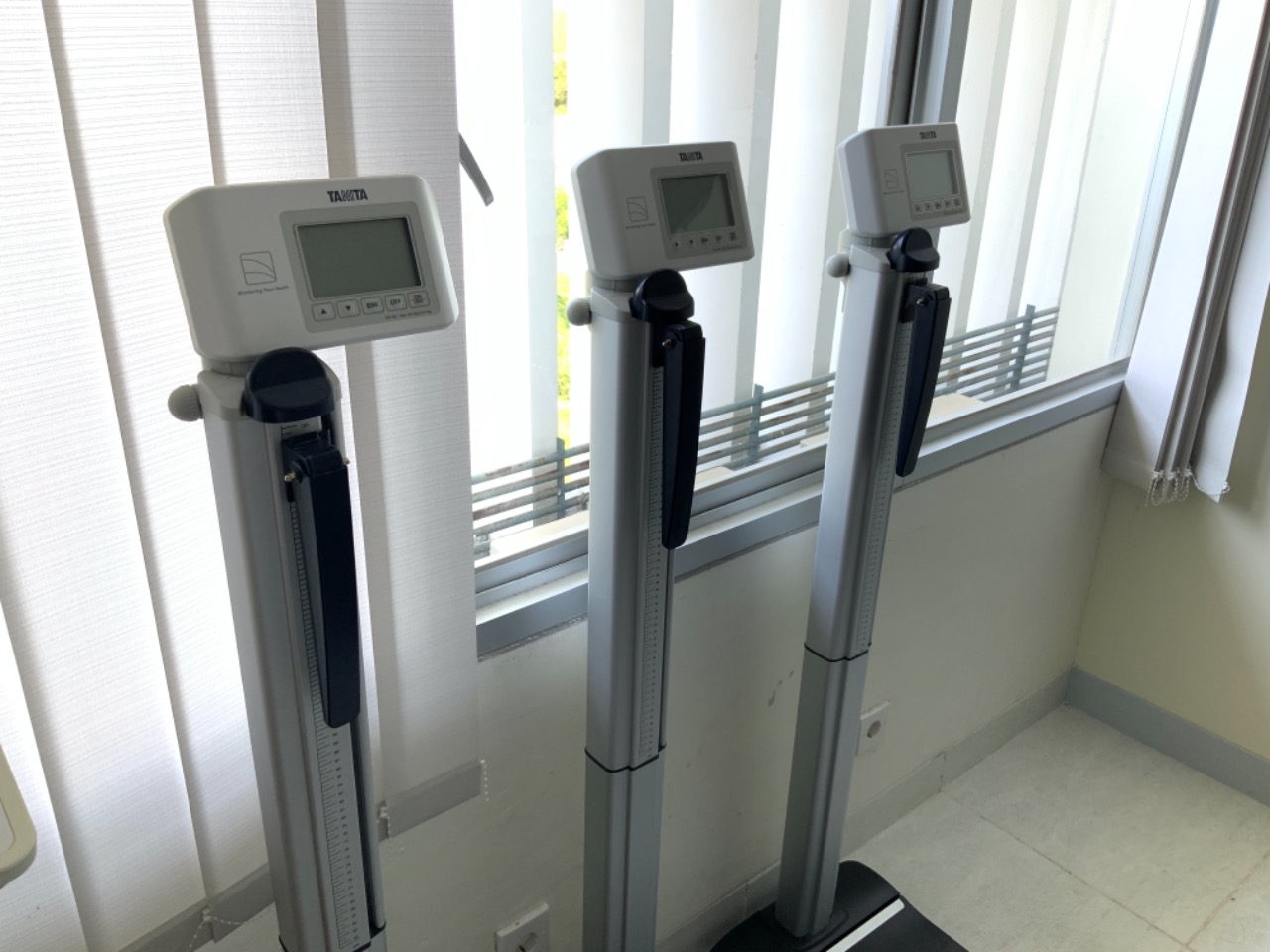
- Body Composition Analyzer
An instrument used to assess body composition parameters that may support ergonomic, physiological, and occupational health-related research.
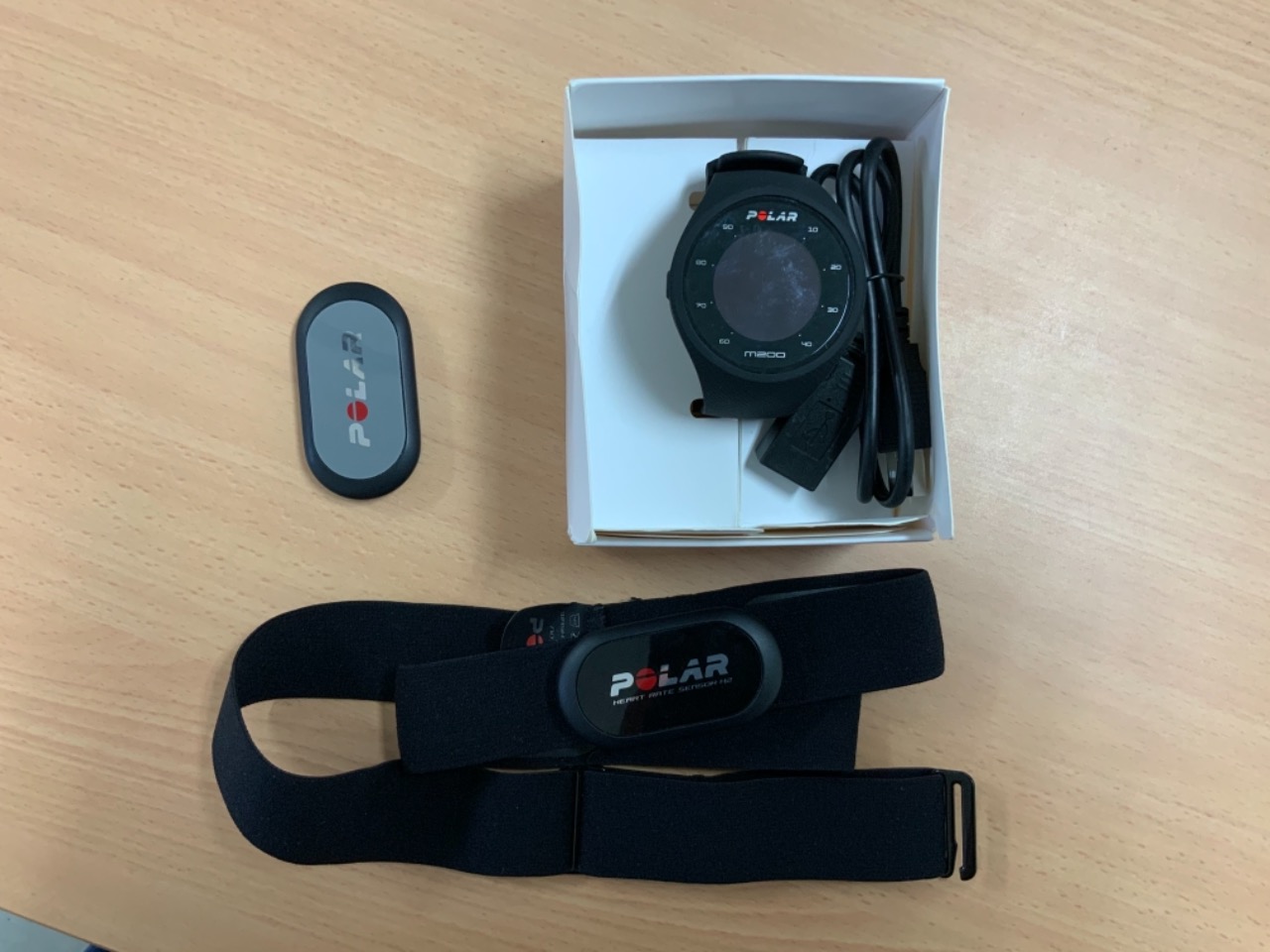
- Polar Strap
A wearable monitoring device used to measure physiological indicators such as heart rate during work simulation, physical activity, and workload assessment.
- Reaction Time Meter
A device used to measure human response time, cognitive performance, attention level, and reaction capability in various experimental settings.

- Computers
Computing facilities used for data processing, statistical analysis, simulation, report preparation, and research documentation. - Other Supporting Facilities
Additional facilities and laboratory resources are available to support laboratory practices, student research, data collection, analysis, and academic activities for both undergraduate and master’s degree students.
These facilities enable students and researchers to conduct comprehensive studies related to human performance, workplace design, occupational safety, environmental ergonomics, and the improvement of industrial work systems.
4. Research Roadmap
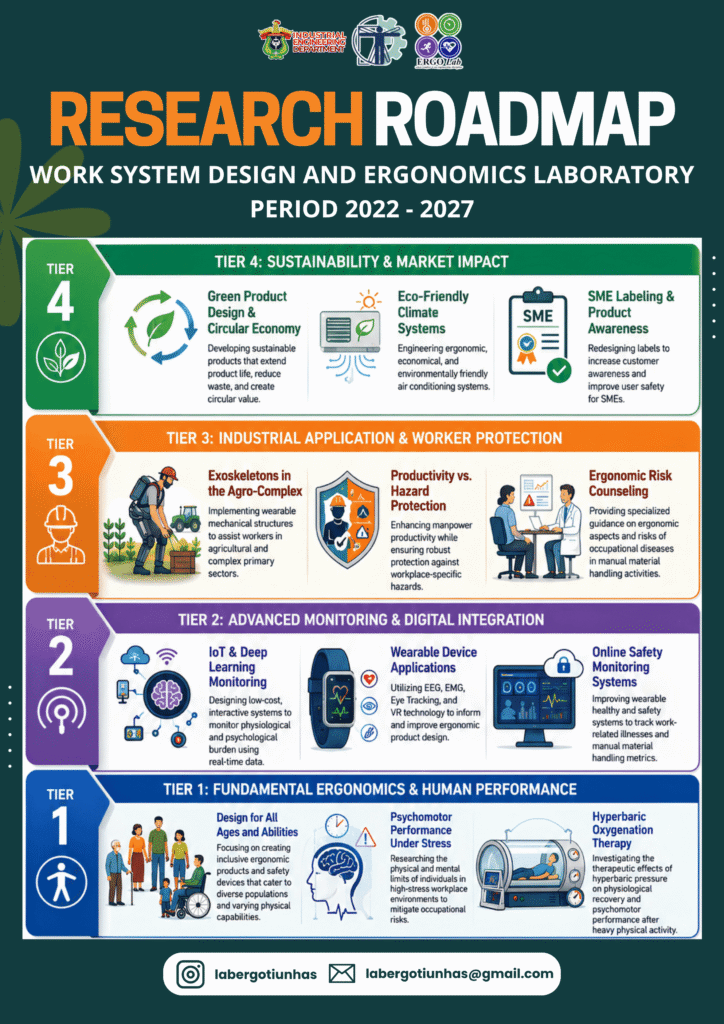
The research roadmap of the Work System Design and Ergonomics Laboratory is designed to support the advancement of human-centered industrial systems. The roadmap emphasizes the integration of ergonomics, work system design, digital technology, occupational safety, and sustainable productivity improvement.
Research Focus Areas
5. Standard Operating Procedures
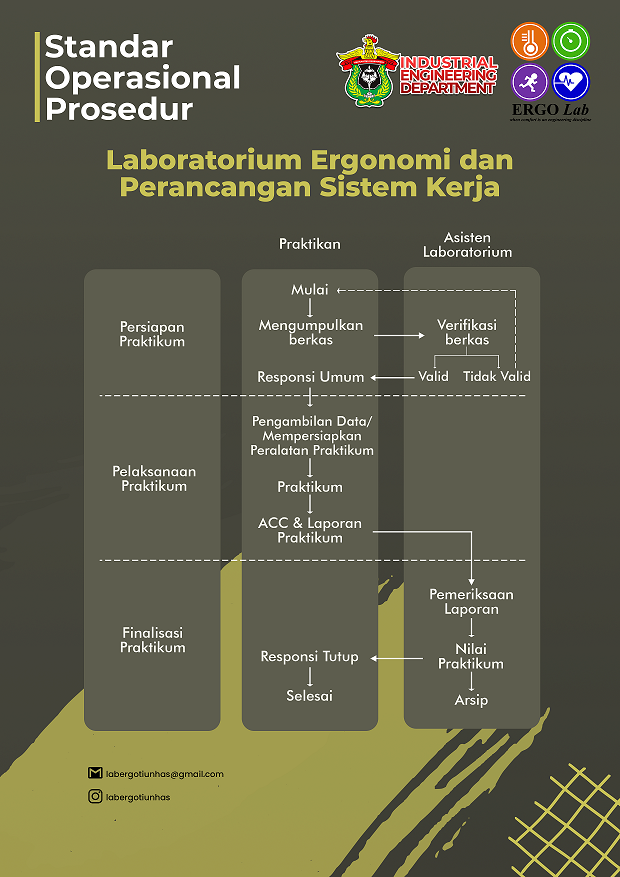
The Standard Operating Procedures of the Work System Design and Ergonomics Laboratory are established to ensure that all laboratory activities are conducted in a safe, orderly, ethical, and academically responsible manner. These procedures apply to students, lecturers, researchers, laboratory assistants, and external users who conduct activities in the laboratory.
6. Laboratory Contact
For further information regarding laboratory activities, research collaboration, facility use, academic practices, or student research supervision, please contact:
Work System Design and Ergonomics Laboratory
Department of Industrial Engineering
Faculty of Engineering
Hasanuddin University
Contact Person:
Dr. Eng. Ir. Ilham Bakri, S.T., M.Sc., IPM., ASEAN.Eng
Email:
ilhambakri@unhas.ac.id
Office Address:
Mechanical Building 3rd Floor
Faculty of Engineering Hasanuddin University
